Dientamoeba fragilis infection, life cycle, symptoms, diagnosis & treatment
What are the symptoms of infection with Dientamoeba fragilis? Many infected people do not have any symptoms. The most common symptoms are diarrhea and abdominal pain. Symptoms also can include loss of appetite, weight loss, nausea, and fatigue. The infection does not spread from the intestine to other parts of the body.
Dientamoeba fragilis life cycle YouTube

Dientamoeba fragilis fact sheet. Dientamoeba fragilis is a parasite that is commonly found in the gastrointestinal tract of humans. It may cause illness in some people. The parasite is most likely transmitted via the faecal-oral route. Good hygiene practices should be used to help prevent infection. Last updated: 01 November 2015.
Figure 4 from New discovery and ultrastructural description of Dientamoeba fragilis cysts and

Dientamoeba fragilis is an anaerobic intestinal protozoan parasite. Historically, this organism was among a group of enteric protozoan parasites beginning with Giardia duodenalis (previously G. lamblia) that were initially believed to be commensals and not capable of causing symptomatic illness. As more information became available and.
Dientamoeba Fragilis PDF

Dientamoeba fragilis is a flagellate that lacks external flagella and therefore must be morphologically differentiated from the small nonpathogenic amebae (e.g., Endolimax nana, Entamoeba hartmanni).Dientamoeba fragilis trophozoites measure 5 to 15 µm; cyst-like stages are rare. Pseudopodia are angular to broad-lobed and transparent. Although most trophozoites are binucleate, some have only.
Growth plots comparing the growth of Dientamoeba fragilis at various... Download Scientific

SUMMARY. Dientamoeba fragilis is a protozoan parasite of the human bowel, commonly reported throughout the world in association with gastrointestinal symptoms. Despite its initial discovery over 100 years ago, arguably, we know less about this peculiar organism than any other pathogenic or potentially pathogenic protozoan that infects humans.
Dientamoeba Fragilis Troph

Dientamoeba fragilis is a species of single-celled excavates found in the gastrointestinal tract of some humans, pigs and gorillas. It causes gastrointestinal upset in some people, but not in others. It is an important cause of travellers diarrhoea, chronic diarrhoea, fatigue and, in children, failure to thrive.Despite this, its role as a "commensal, pathobiont, or pathogen" is still debated.
Rounded trophozoites of D. fragilis in Robinson's culture.... Download Scientific Diagram

L'infection peut ne pas provoquer de symptômes. Le délai entre la contamination et les premiers symptômes est habituellement de 7 à 14 jours. Les symptômes intestinaux sont à l'avant-plan. Chez l'enfant, l'infection peut provoquer des maux de ventre persistants et de la diarrhée. Une perte de poids est également possible.
Dientamoeba fragilis infection, life cycle, symptoms, diagnosis & treatment

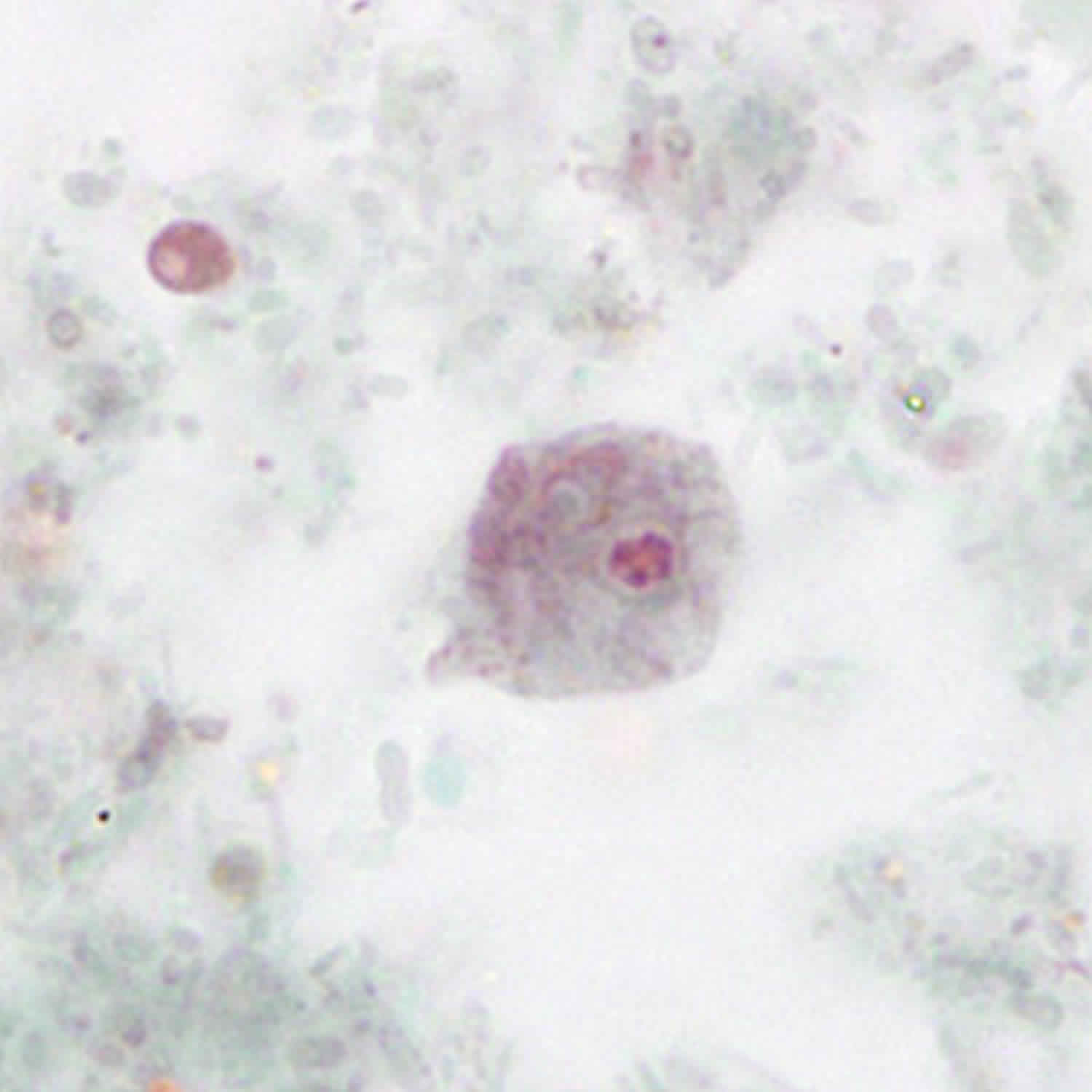
Dientamoeba fragilis is a parasite that lives in the large intestine of people. This protozoan parasite produces trophozoites; cysts have not been identified. The intestinal infection may be either asymptomatic or symptomatic. Image: Binucleate (left) and uninucleate (right) trophozoites of D. fragilis, stained with trichrome. (Credit: DPDx)
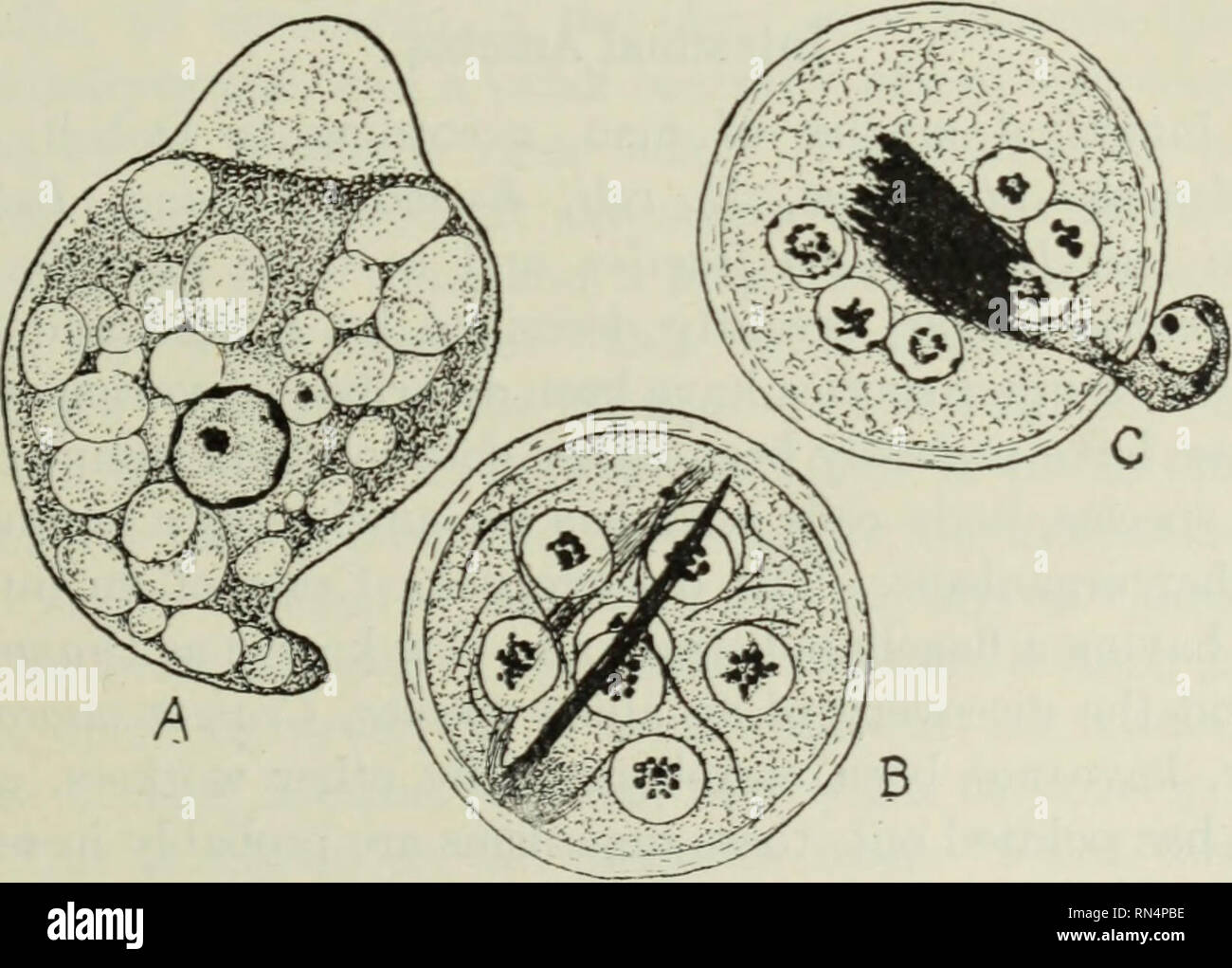
. Parásitos de Animales y enfermedades humanas. Los parásitos; parasitología médica; insectos
Health outcomes associated with Blastocystis sp. and Dientamoeba fragilis are disparate and controversial, ranging from health benefits, to years of asymptomatic carriage, through to severe illness. Evidence that Blastocystis sp. and D. fragilis are commensal members of the gut microbiota is growing. Despite this, little to no research exists investigating the potential effect of these.
Dientamoeba fragilis infection, life cycle, symptoms, diagnosis & treatment

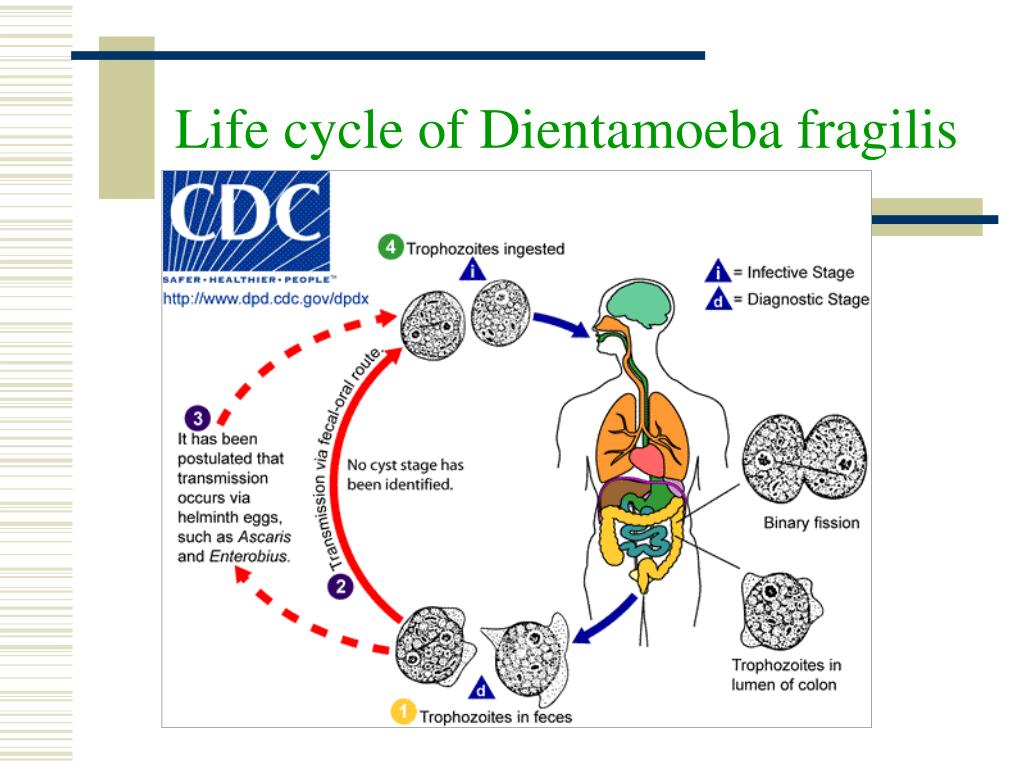
The complete life cycle of Dientamoeba fragilis has not yet been determined, and assumptions were made based on clinical data. Historically, this species was known only from the trophozoite stage in stools of infected individuals . In 2014, cyst and precyst stages were described for the first time in clinical human specimens.
Dientamoeba fragilis YouTube

Dientamoeba fragilis belongs to the trichomonad group of protozoan parasites and it has been implicated as a cause of gastrointestinal disease with world-wide prevalences ranging from 0.5% to 16%. The majority of patients with dientamoebiasis present with gastrointestinal complaints. Chronic symptoms are common with up to a third of patients exhibiting persistent diarrhoea.
Figure 2 from Advances on Dientamoeba fragilis Infections Semantic Scholar
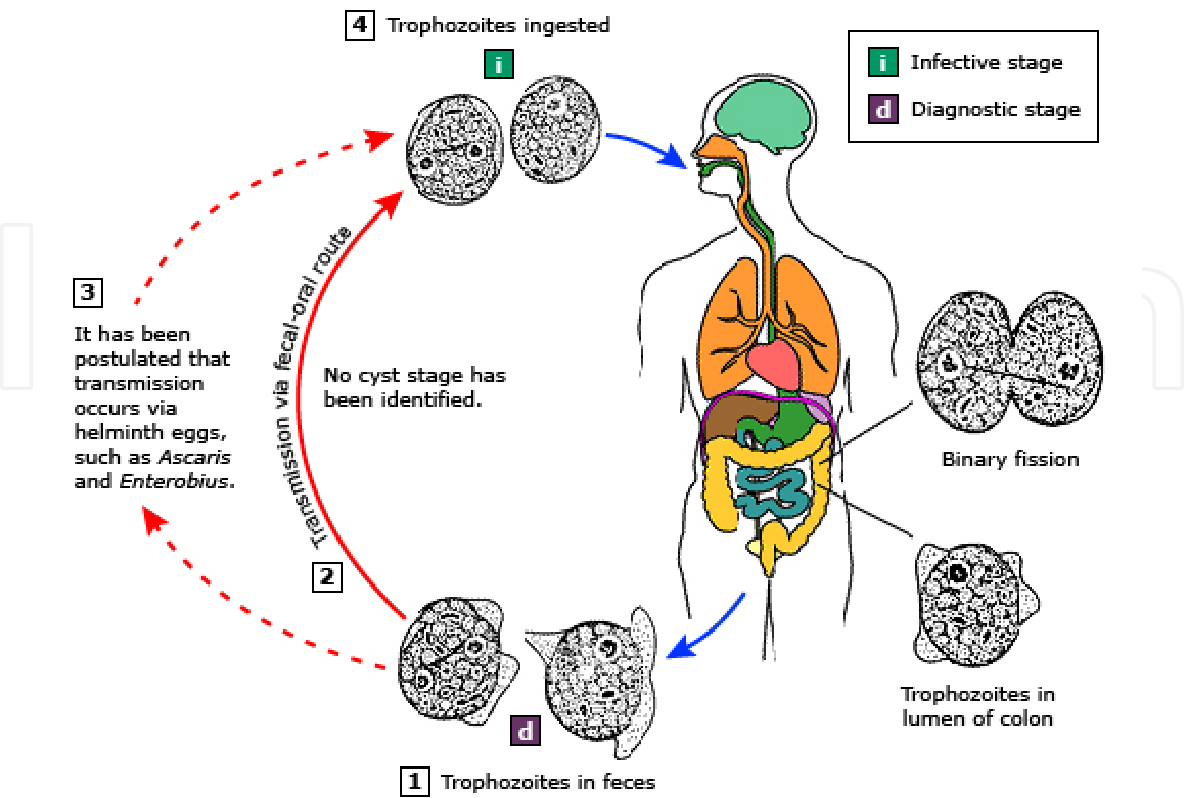
Dientamoeba fragilis is a nonflagellate trichomonad parasite that can live in the human large intestine. Unlike most other intestinal protozoa, its life cycle has no cyst stage; thus, infection between humans occurs during the trophozoite stage. Organisms move most actively in fresh feces but quickly round up when left standing, are sensitive.
Table 1 from A microscopic description and ultrastructural characterisation of Dientamoeba

Dientamoeba fragilis (D. fragilis) is an intestinal parasite frequently detected in humans with abdominal pain and diarrhoea, but it is also commonly found in asymptomatic subjects. Hence its clinical relevance is often disputed.. CE and Evenga, B (2003) Dientamoeba fragilis - a protozoal infection which may cause severe bowel distress.
Dientamoeba fragilis? YouTube

Dientamoeba fragilis is a parasite that lives in the large intestine of people. This protozoan parasite produces trophozoites; cysts have not been identified. The intestinal infection may be either asymptomatic or symptomatic. Image: Binucleate (left) and uninucleate (right) trophozoites of D. fragilis, stained with trichrome.
protozoan dysentrey & intestinal infections ppt video online download

INTRODUCTION. Dientamoeba fragilis is an anaerobic intestinal protozoan parasite. Historically, this organism was among a group of enteric protozoan parasites beginning with Giardia duodenalis (previously G. lamblia) that were initially believed to be solely commensals and not capable of causing symptomatic illness.While G. duodenalis is a recognized cause of symptomatic infections, the.
Dientamoeba Fragilis Diagram
Norberg A, Nord CE, Evengard B. Dientamoeba fragilis—a protozoal infection which may cause severe bowel distress. Clin Microbiol Infect 2003;9:65-8. Preiss U, Ockert G, Broemme S, et al. On the clinical importance of Dientamoeba fragilis infections in childhood. J Hyg Epidemiol Microbiol Immunol 1991;35:27-34.
.